
2026-09-12 ·
Rodent Control For Thiells Residents With Pets
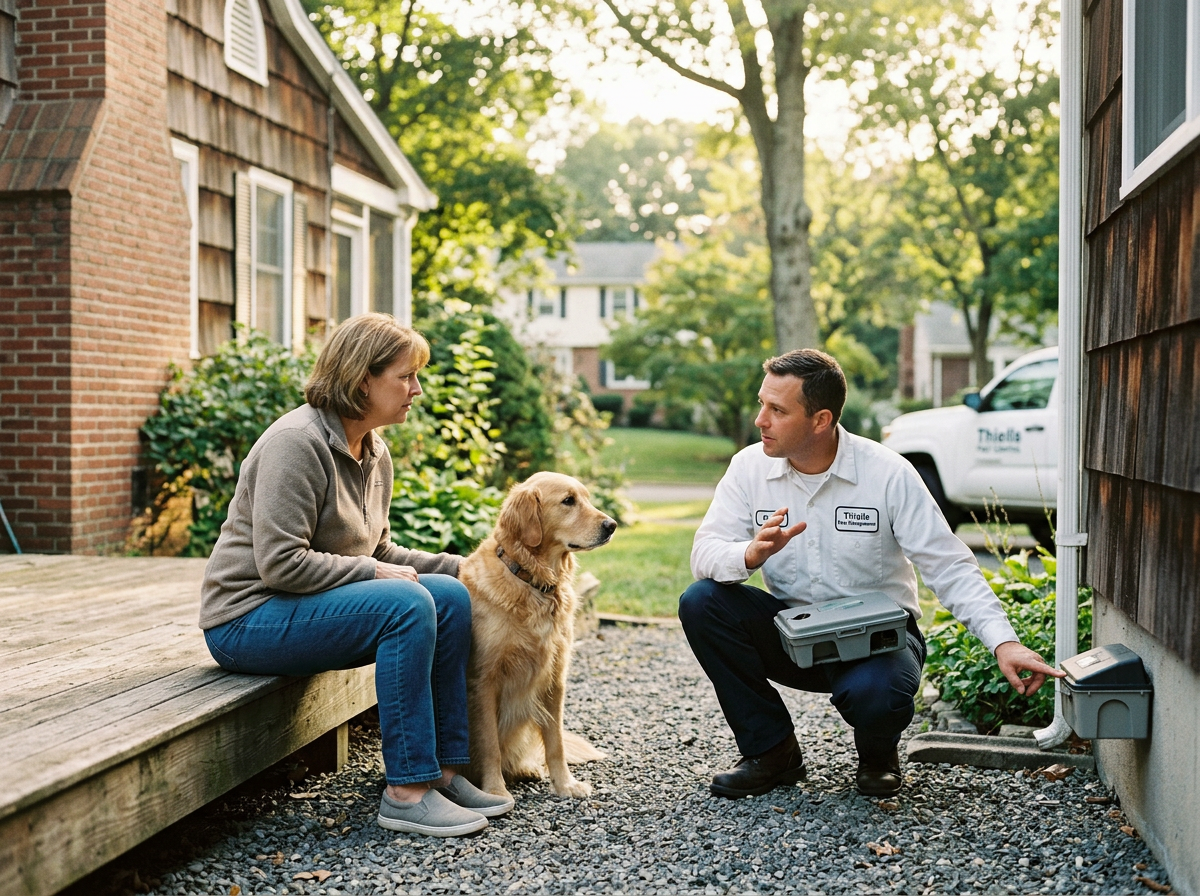
Rodent control for Thiells residents with pets centers on sealing entry points no larger than 1/4 inch for mice and 1/2 inch for rats while deploying enclosed traps in areas pets cannot reach. This exclusion-first method limits indoor activity from Norway rats in cellars and house mice in wall voids during the September to November migration period when temperatures drop and rodents seek warmth. Pet owners benefit from avoiding loose baits that animals might encounter and instead relying on mechanical options or professional stations secured along foundations common in the Valley.
Identifying Entry Points Around Thiells Properties
Fieldstone and rubble foundations in Thiells create numerous gaps that allow Norway rats from sewers and burrows plus house mice to enter homes. Residents should inspect where utilities penetrate walls, around dryer vents, and along shared party walls downstate that connect attached structures. Snow cover later in winter concentrates rodent activity near heated buildings, making these same openings even more critical. Droppings found in attic insulation signal ongoing access that requires immediate sealing to prevent further contamination. Checking under porches and near cracked sewer laterals reveals additional routes that pets might investigate during outdoor time. Thorough walkthroughs twice a year before autumn help catch issues early and reduce the need for repeated interventions inside living spaces.
Sealing Gaps With Pet Safety in Mind
Exclusion work in Thiells homes starts with steel wool packed into small openings followed by caulk or metal flashing for durability against chewing. These materials stay out of reach when installed at baseboards or exterior perimeters where dogs and cats spend less time. Roof rats that move into attics through soffit gaps respond well to the same approach combined with door sweeps on upper levels. Homeowners avoid expanding foam alone because rodents can chew through it quickly in New York conditions. Professional teams at Rodent Control often combine these steps with inspections that note pet travel patterns so stations remain secure. Regular checks after installation confirm seals hold through freeze-thaw cycles typical of the region.
Using Traps and Monitoring Stations Safely
Enclosed snap traps or multi-catch units placed inside cabinets, behind appliances, and along baseboards keep pets from accessing mechanisms while targeting house mice and Norway rats. Bait stations with locked lids further reduce exposure when positioned in attics or crawl spaces that animals rarely enter. Thiells residents can monitor activity with non-toxic tracking powder in low-traffic zones to map routes before setting devices. This data-driven placement cuts down on unnecessary traps and focuses efforts where droppings or gnaw marks appear most often. Linking monitoring to seasonal patterns helps anticipate increased pressure from September onward when field populations move indoors. Consistent records also support follow-up visits from services such as Mice Removal when activity persists beyond initial efforts.
Handling Insulation and Attic Concerns
Droppings in attic insulation represent a direct remediation cost for Thiells homeowners because contaminated material must be removed to eliminate odors and health risks. Roof rats frequently nest in these spaces, and signs such as shredded insulation or urine stains appear along rafters during inspections. Pet owners should avoid disturbing these areas themselves to prevent spreading debris into living zones below. Professional assessment through resources like Signs Of Roof Rats In Thiells Attics outlines safe removal sequences that protect both the home and household animals. Once cleaned, new insulation receives protective barriers at entry points to discourage re-entry. This step integrates with overall exclusion to limit future litter production from rodents that can produce multiple offspring per year in warm voids.
Knowing When Professional Support Fits Pet Households
Persistent signs such as fresh droppings near pet food areas or repeated sightings despite sealing indicate the need for targeted intervention from local experts. Thiells properties near Harriman State Park face additional pressure from surrounding fields that feed into residential zones during autumn. Rodent Control Challenges In Thiells Rental Properties highlights how shared walls complicate single-unit efforts, a factor owners with pets must weigh when coordinating access. Technicians familiar with New City operations from the base at 20 Squadron Blvd #327 can adapt methods to avoid disrupting daily pet routines. Follow-up monitoring confirms results without repeated chemical applications that might concern animal safety. This measured approach keeps control effective while respecting the needs of households that include dogs and cats.